Sanjeevani
AI Mobile Health Unit (AI-MHU)

Early Detection. Lasting Impact.

Taking AI-Enabled Screening for Cancer, TB, Non-Communicable Diseases and Anaemia — with Specialist-Validated Results — to the Last Mile
Conceptualised, Designed and Implemented by Telerad Foundation

Overview

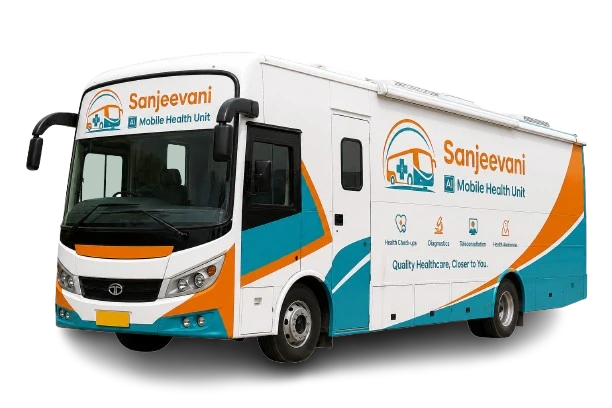
The Sanjeevani AI Mobile Health Unit (AI-MHU) is an initiative of Telerad Foundation designed to bridge the gap between advanced diagnostics and underserved communities. Operating as a Public–Private–Philanthropic Partnership (PPPP), it brings integrated screening for nine priority conditions to communities in a single visit.
Where AI is used, it serves as a first layer of clinical support and never as the decision. The model is set out in full under AI-Assisted Screening with Specialist Validation.
Group Conditions Count
Cancer Breast, cervical, oral 3
Tuberculosis Pulmonary TB 1
Non-communicable diseases Diabetes, hypertension, COPD, diabetic retinopathy 4
Anaemia Haemoglobin estimation 1
Total 9

Potential Impact

₹3,500 enables one individual to access comprehensive, AI-assisted screening, specialist review, and referral support.

₹1 Crore enables approximately 10,000 individuals to receive screening, specialist review, and referral support.

    Enquire for Sanjeevani AI MHU

    Please prove you are human by selecting the key.

    Background and Rationale

    Non-communicable diseases now account for 63% of all deaths in India. Cancer and tuberculosis remain two of the country’s most significant public health challenges, and anaemia affects the majority of rural women and children. Effective screening and treatment exist for all of them — yet most patients are still diagnosed at advanced stages, when outcomes are worse and treatment costs far higher.

    India does not lack national frameworks. The National Programme for Prevention and Control of Non-Communicable Diseases (NPCDCS), the National Tuberculosis Elimination Programme (NTEP) and Anaemia Mukt Bharat all mandate exactly this screening. The gap is not policy. It is the last mile.

    Why the Last Mile Remains Unreached

    Broken Pathway

    Barrier 1:
    Geographic and Economic

    Diagnostic services are heavily concentrated in urban centres, creating travel and cost barriers that rural patients cannot cross.

    Barrier 2:
    Specialist Shortage

    A severe lack of specialist availability at community level to interpret screenings accurately.

    Barrier 3:
    Fragmented Referrals

    Broken pathways between initial community screening and definitive diagnostic confirmation.

    The Challenge

    Breast cancer

    Breast Cancer

    2.38 lakh

    NEW CASES ESTIMATED IN 2024

    Around one in two patients presents at an advanced stage, when treatment costs are high and outcomes poor.

    Cervical Cancer

    Cervical Cancer

    <2%

    SCREENING RATE

    Fewer than 2% of eligible women have ever undergone cervical cancer screening.

    Oral Cancer

    Oral Cancer

    60–80%

    LATE DIAGNOSIS

    Among the most prevalent cancers in India, yet the vast majority of cases are diagnosed far too late.

    Oral Cancer

    Tuberculosis

    25%

    OF THE WORLD’S CASES

    India accounts for a quarter of all global TB cases — the single largest national share. Patients seek care only after prolonged symptoms, increasing community transmission.

    NCD

    NCDs

    ~57%

    OF DIABETES UNDIAGNOSED

    One in four rural adults has hypertension, and one in seven rural people with diabetes has diabetic retinopathy — a leading cause of preventable blindness.

    Anaemia

    Anaemia

    59%

    OF RURAL WOMEN AGED 15–49

    54% of rural pregnant women and 68% of rural children aged 6–59 months are also anaemic.
    Sources: MoHFW / NP-NCD; ICMR-INDIAB; NFHS-5; WHO Global TB Report 2025 (India’s share of global cases in 2024); published Indian epidemiological studies.

    The Sanjeevani Intervention:
    Delivering the Hospital to the Community

    Sanjeevani brings screening to communities rather than expecting communities to travel to it. Each barrier has a direct answer:

    Barrier

    Geographic and economic

    The Sanjeevani Response

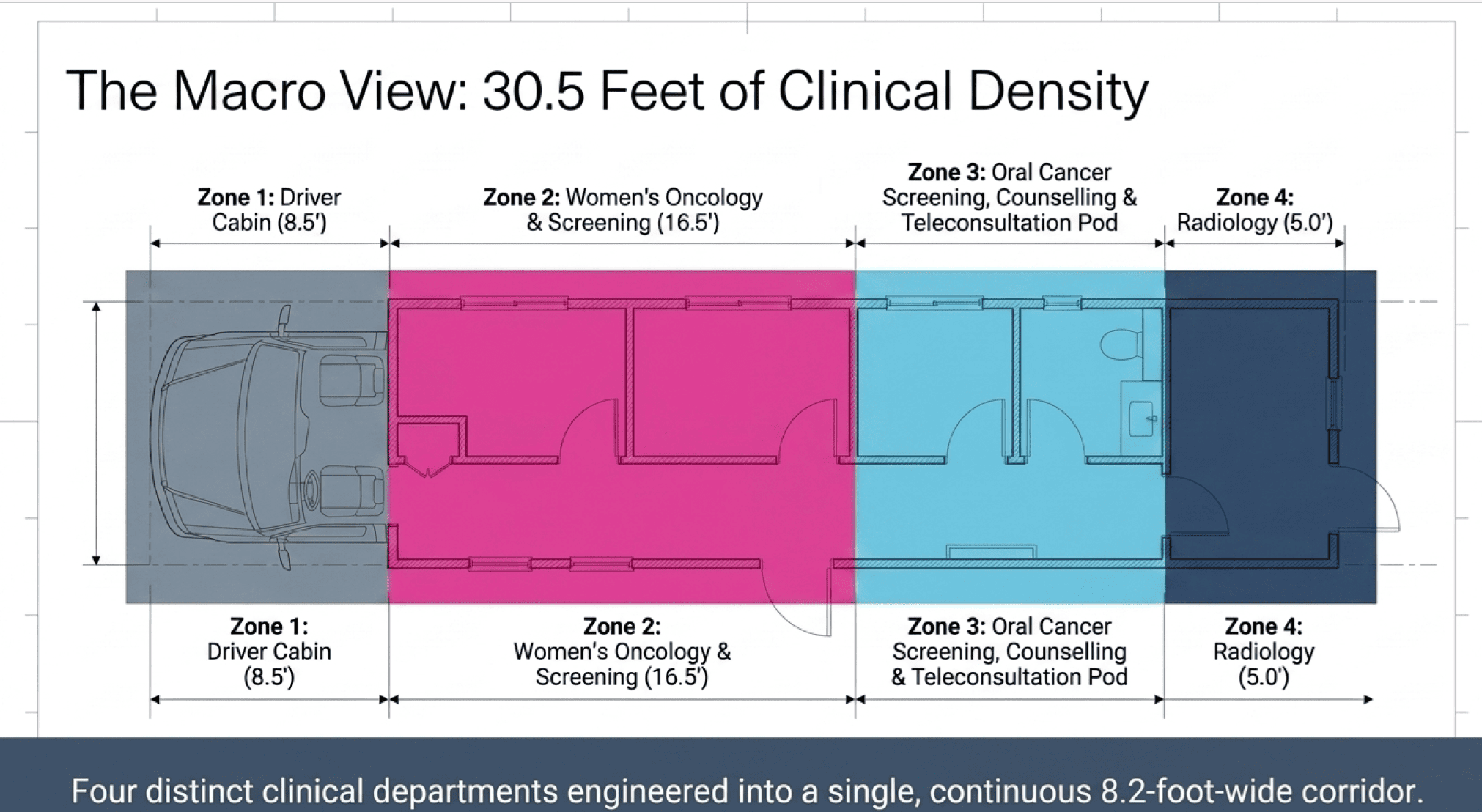
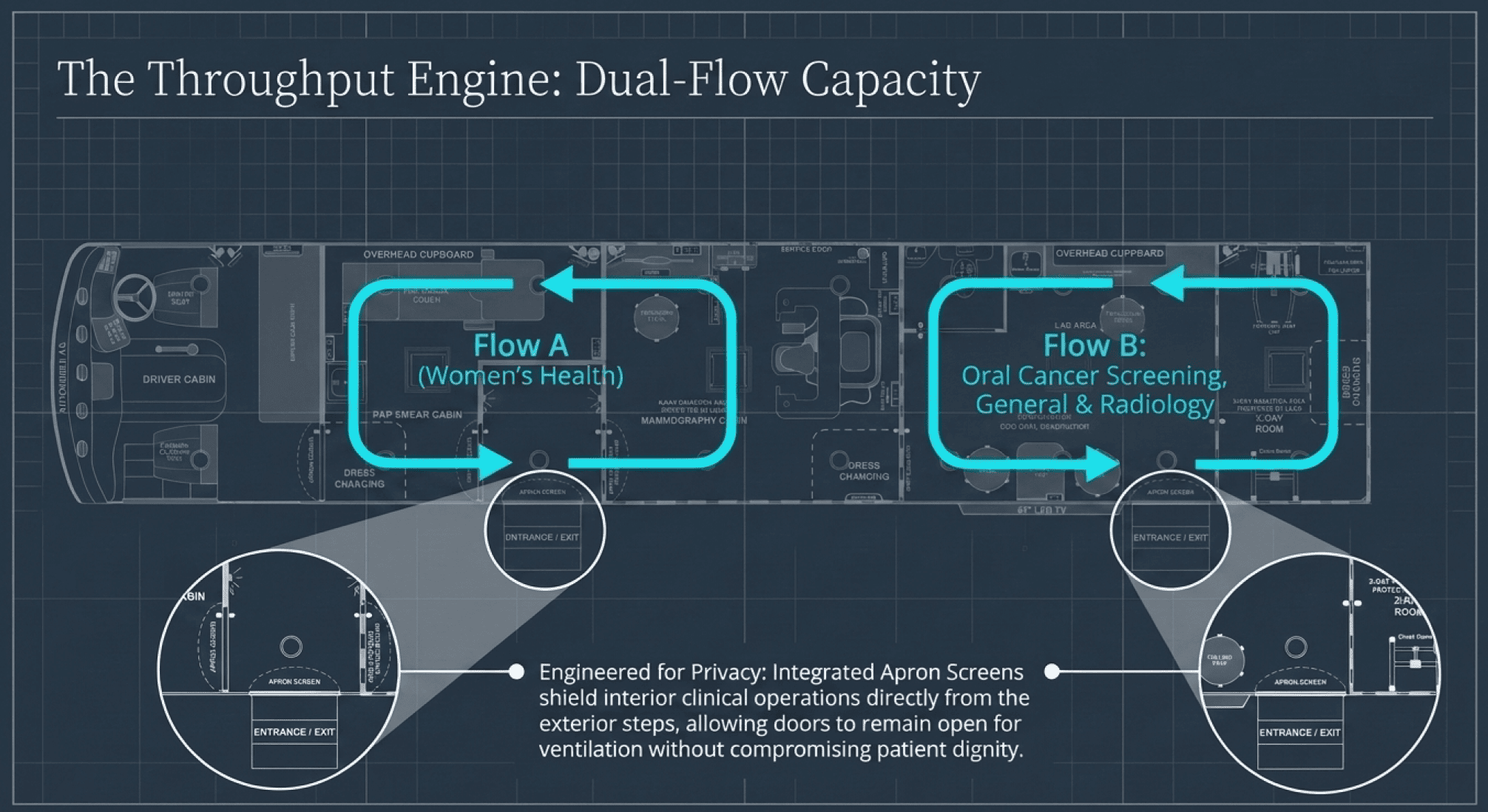
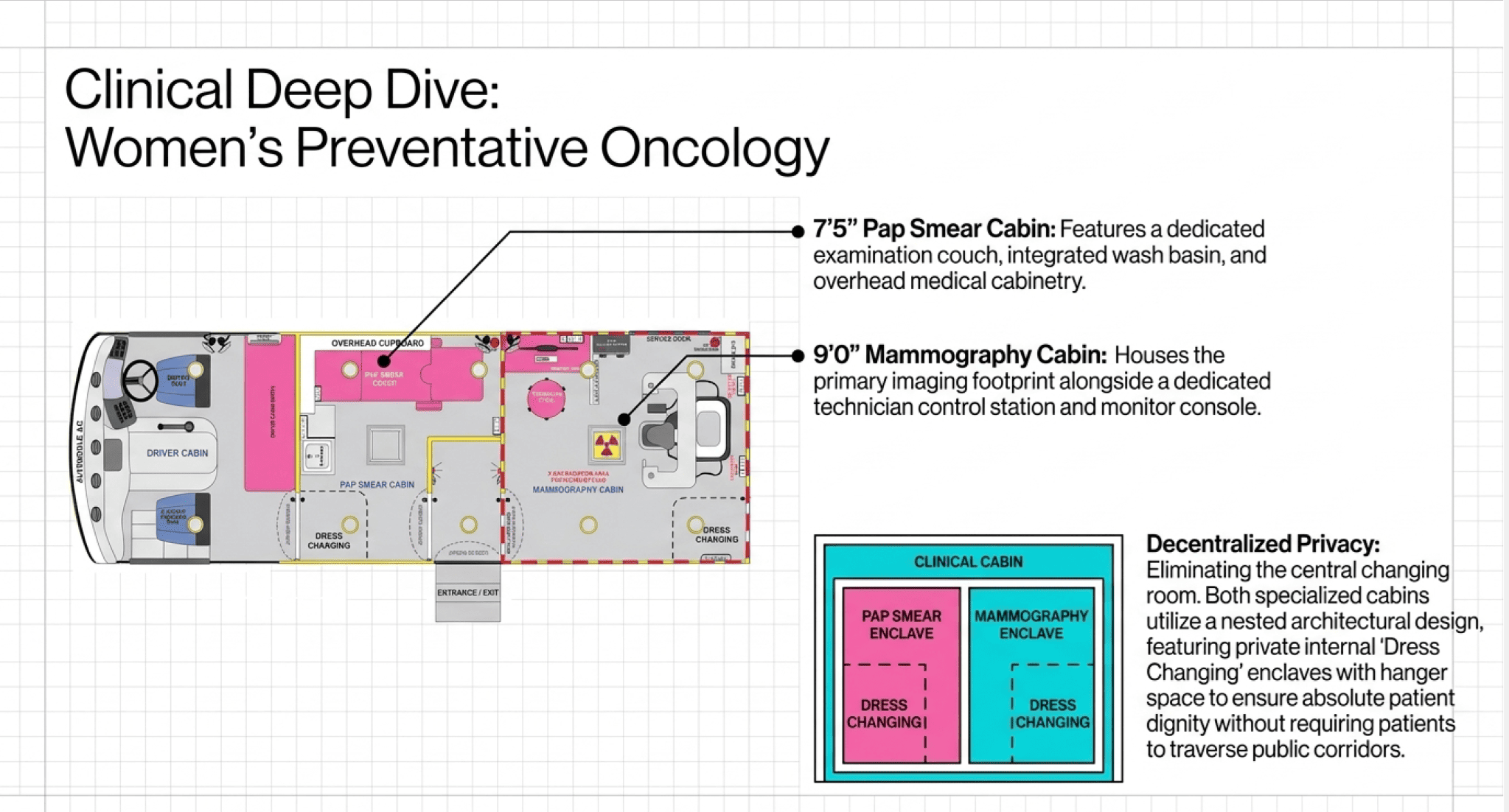
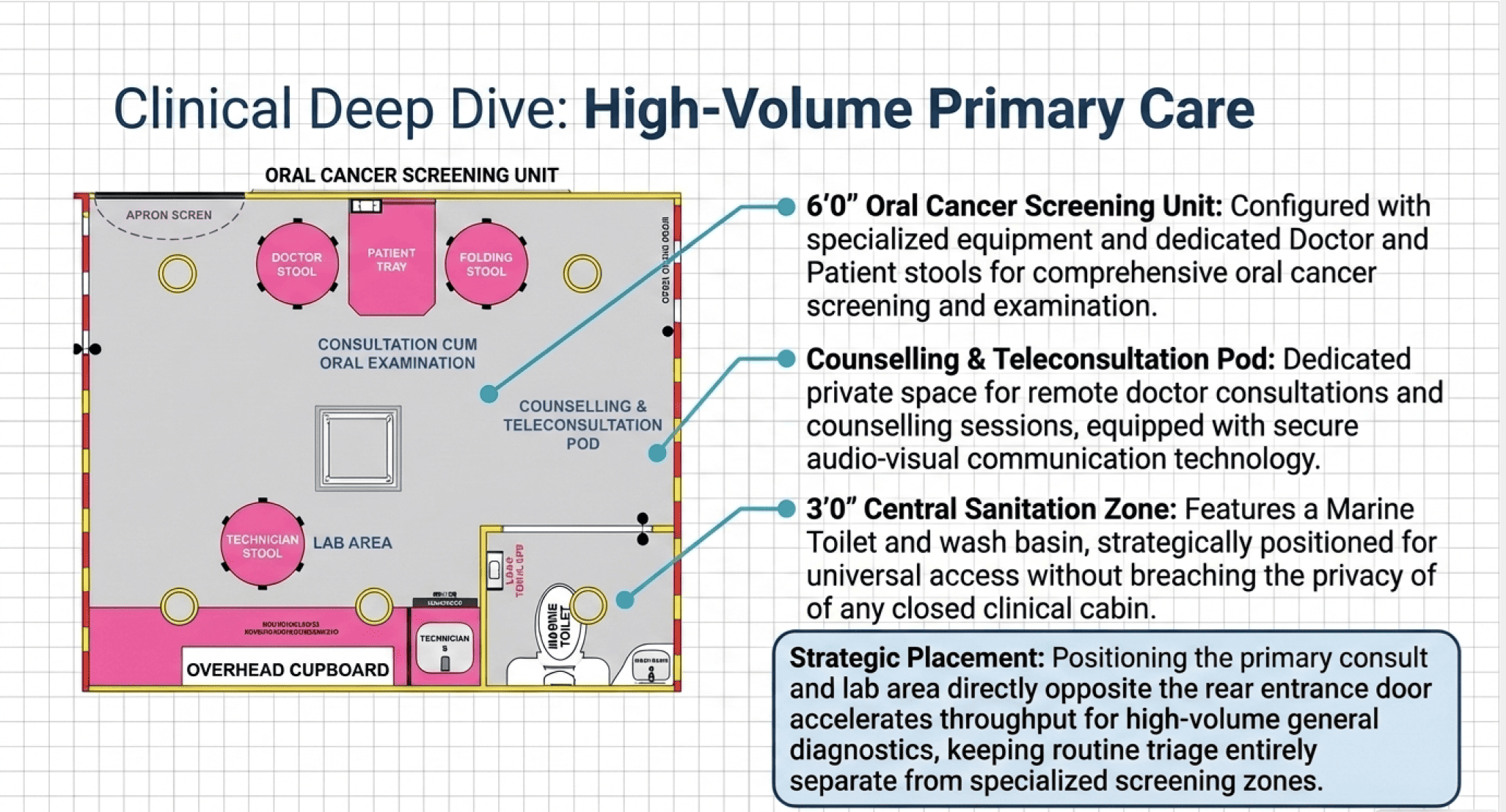
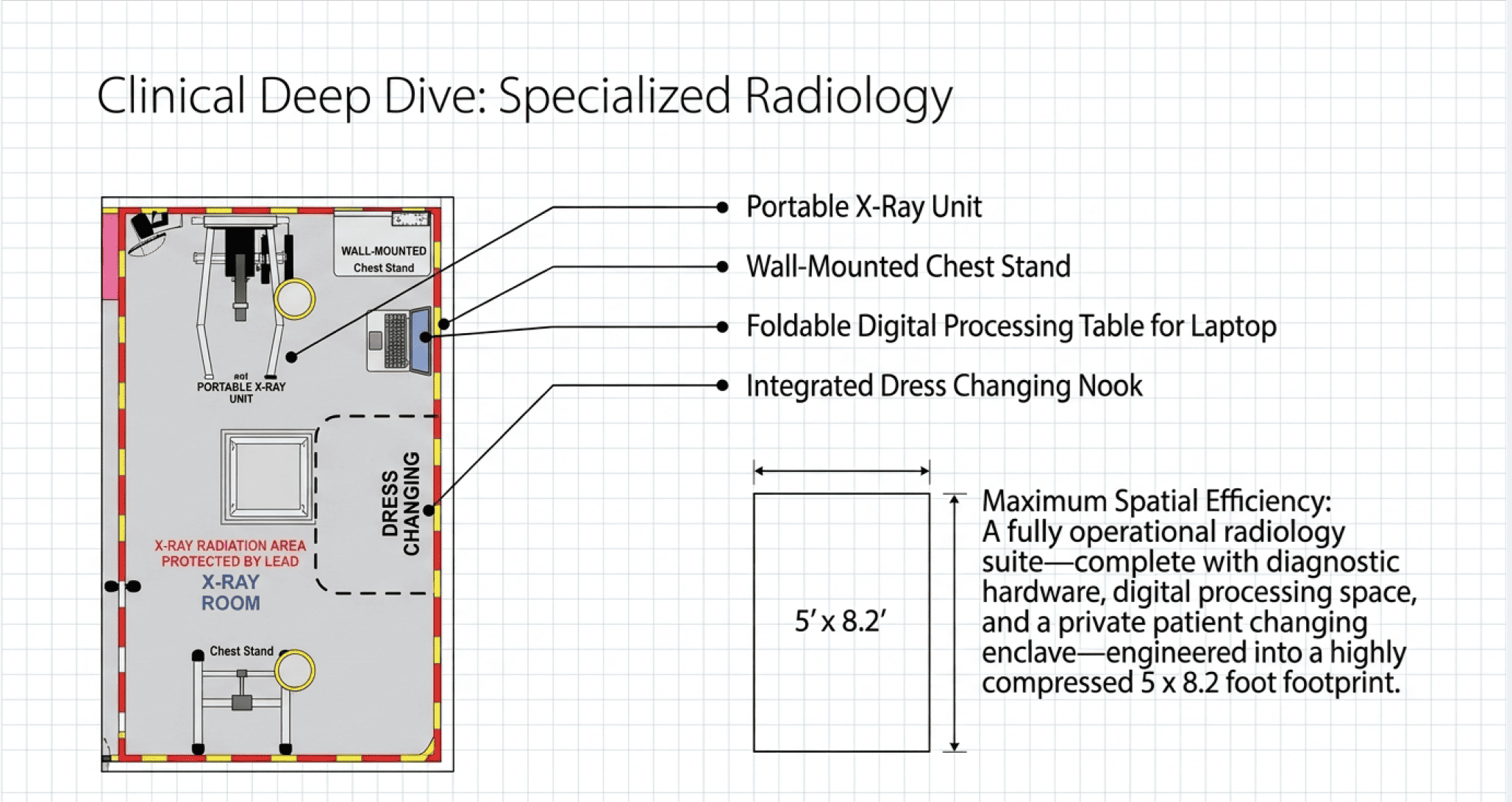
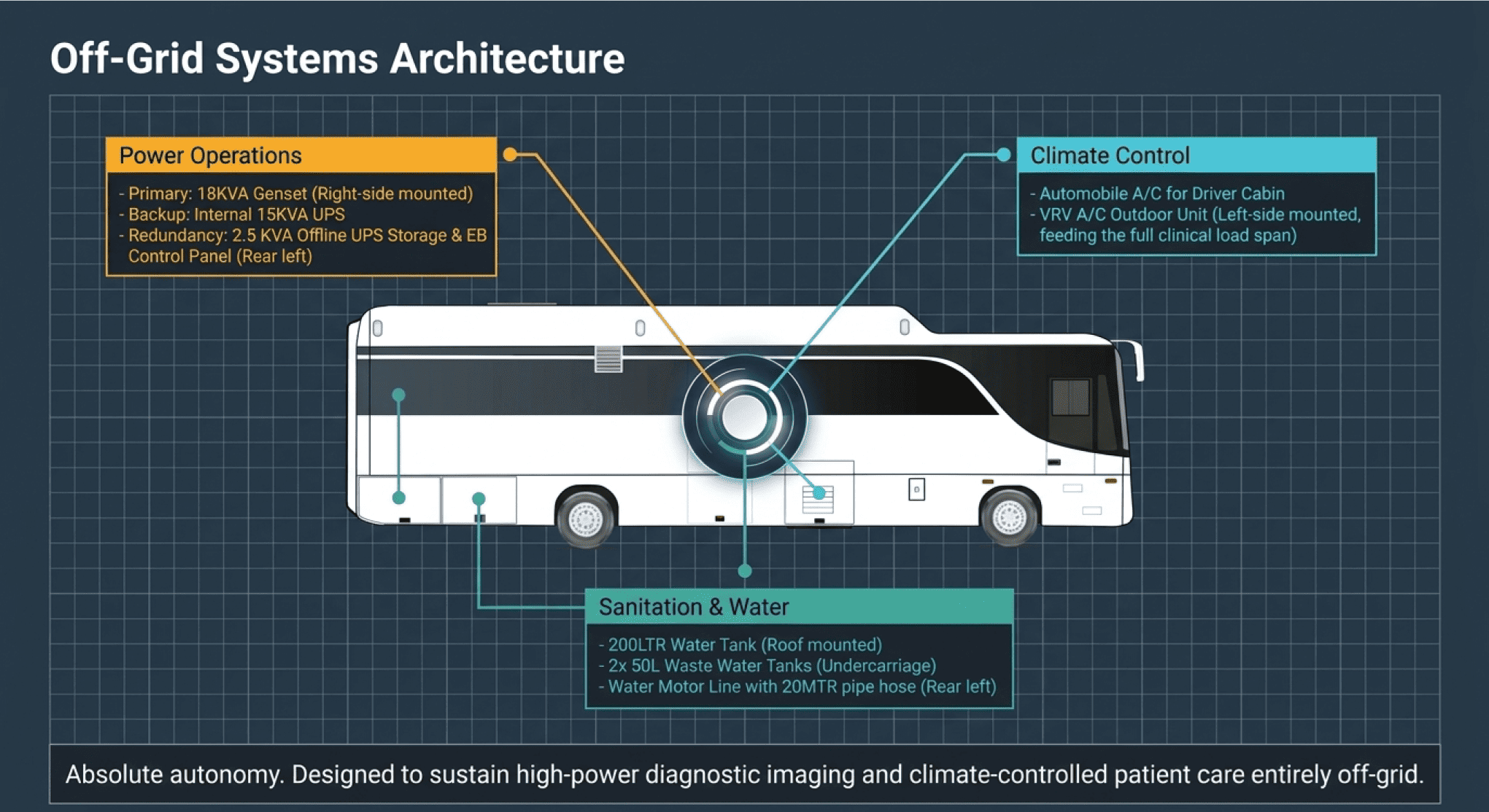
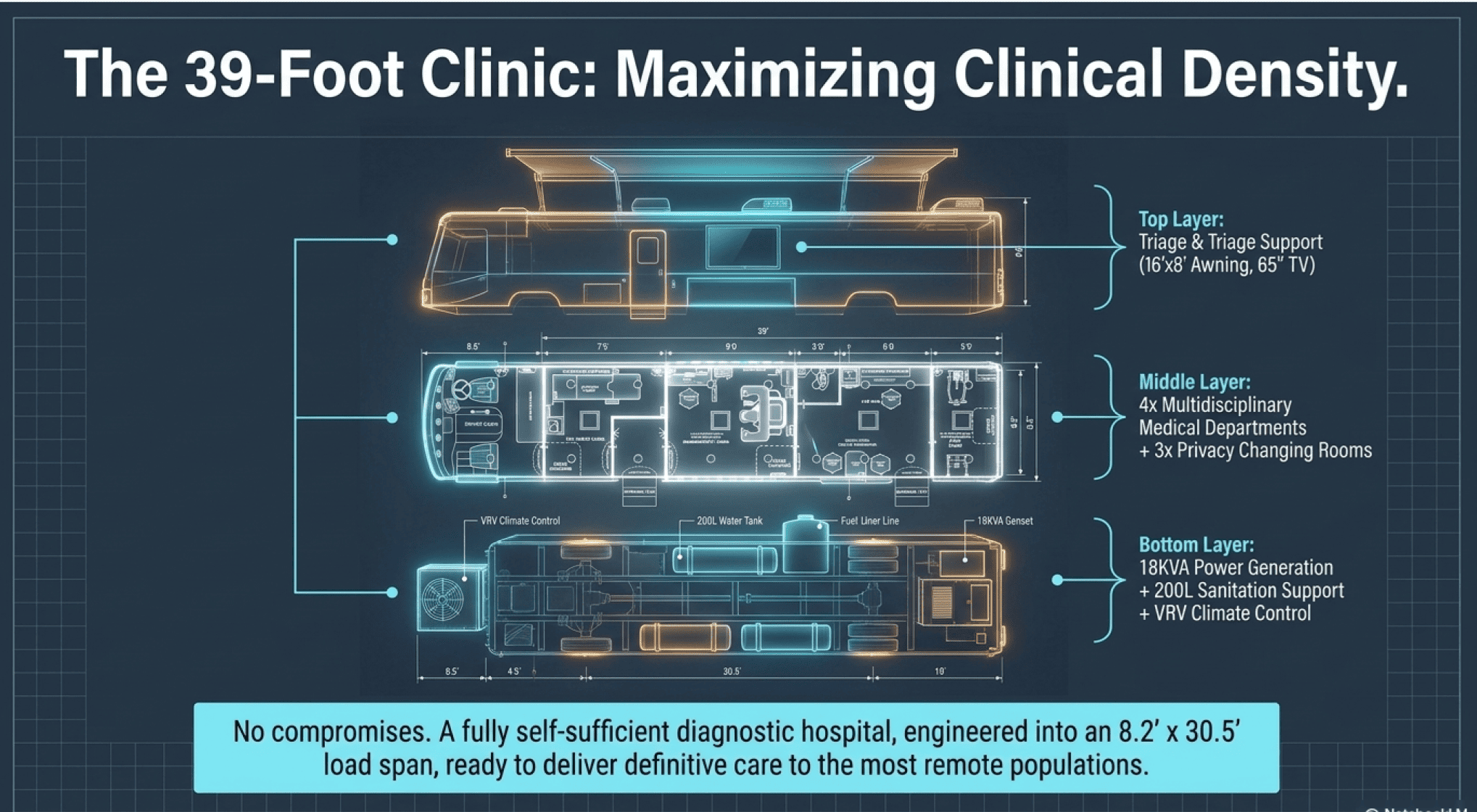
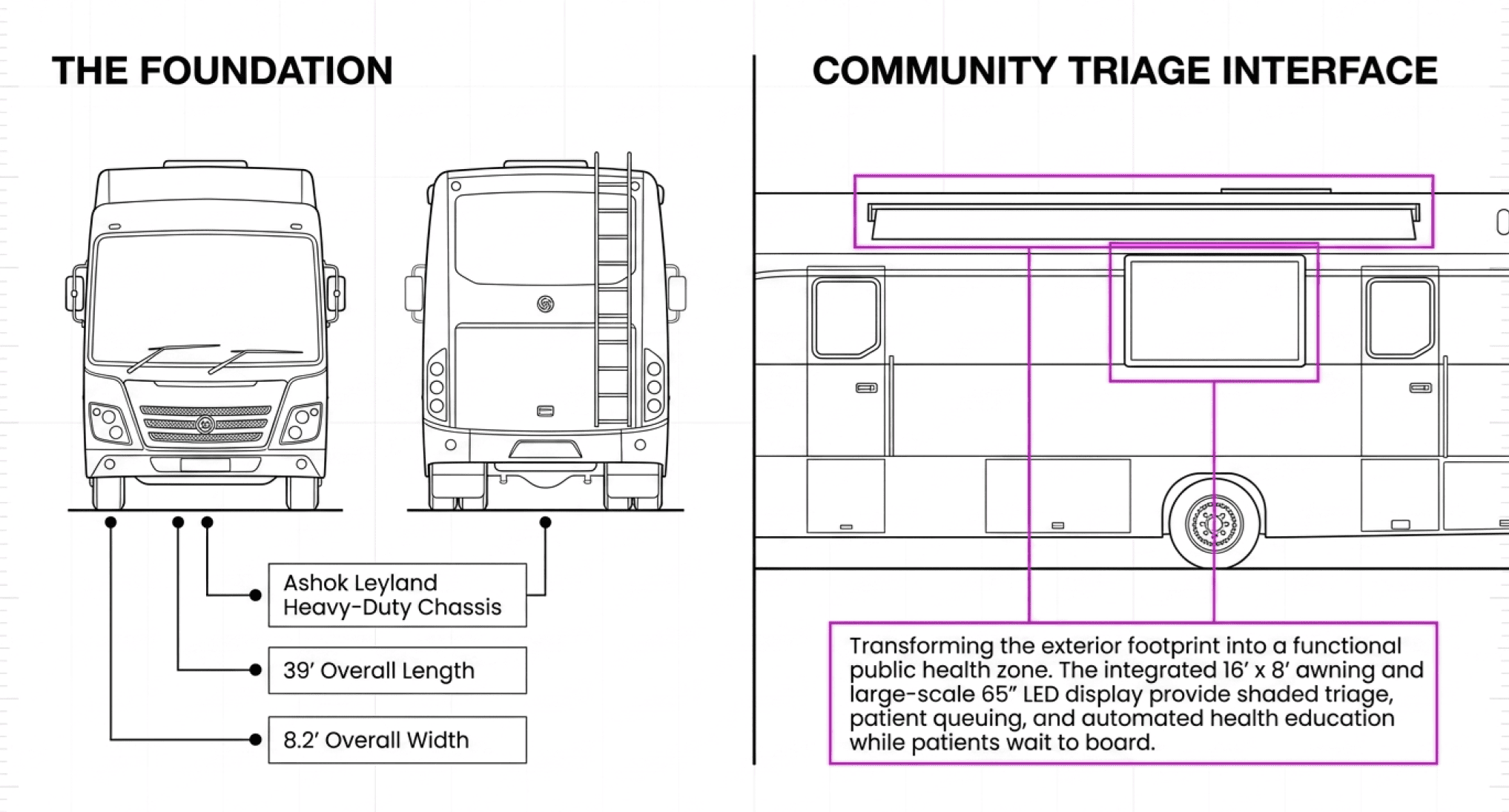
    A 40-foot mobile diagnostic facility that travels to the community, removing travel cost and lost wages from the decision to be screened.
    Barrier

    Specialist shortage

    The Sanjeevani Response

    AI-assisted interpretation and a telemedicine and teleradiology network, placing specialist judgement within reach of any location.
    Barrier

    Fragmented referrals

    The Sanjeevani Response

    Structured patient navigation and referral tracking, described under Referral and Follow-Up.

    On board the unit

    Category Equipment
    Imaging Digital mammographydigital chest X-raycamera for diabetic retinopathyMobile app for Oral Cancer screening
    Point-of-care testing Blood glucose and HbA1cblood pressurespirometryhaemoglobin estimation
    Sample collection Cervical (Pap smear)
    Digital AI-enabled diagnostic decision supporttelemedicine connectivityspecialist teleradiology reportingdigital health records and referral tracking

    AI-Assisted Screening with Specialist Validation

    AI interpretation is applied to four of the nine conditions, and to no others. Stating the boundary plainly is deliberate: the strength of this model is specialist validation, not the breadth of the AI claim.

    Read with AI support, validated by a specialist

    Condition AI-assisted screening Specialist validation
    Breast cancer Digital mammography with AI-assisted interpretation Qualified radiologists
    Oral cancer Visual examination with AI-based clinical decision support Dental specialists
    Diabetic retinopathy Retinal imaging with AI-assisted interpretation Ophthalmologists
    Tuberculosis Digital chest X-ray with AI-assisted interpretation Qualified radiologists

    Laboratory and point-of-care tests,
    reviewed by a clinician

    ConditionScreening methodReviewed by
    Cervical cancerPap smear collection and laboratory analysisPathologists and gynaecologists
    DiabetesPoint-of-care blood glucosePhysicians
    HypertensionBlood pressure measurementPhysicians
    COPDSpirometryPhysicians
    AnaemiaPoint-of-care haemoglobin estimationPhysicians

    AI assists; specialists decide.

    An Institutional Ecosystem Designed for Scale

    Public health

    Partner
    Government health systems

    Role
    Primary care infrastructure, frontline health workers and treatment pathways.

    Clinical coordination

    Partner
    Telerad Foundation, Bengaluru hub

    Role
    Centralised telemedicine, teleradiology, quality assurance and rapid clinical review.

    Technology

    Partner
    Indian Institute of Science, Bengaluru and Telerad Foundation

    Role
    AI-enabled oral cancer screening by IISC; breast cancer and TB risk assessment tools by Telerad Foundation.

    Clinical

    Partner
    Kidwai Memorial Institute of Oncology, Bengaluru

    Role
    Referral integration, specialist support and clinical validation for the cancer components.

    The unit works alongside government health facilities, district administrations and frontline health workers — strengthening public health infrastructure rather than replacing it.

    How the Programme Works

    The first deployment is Ramanagara district, Karnataka — 14 primary health centres serving a population of 4,20,000. The unit is stationed at each PHC until the screening target for that catchment is met, then moves on. The next district is chosen once Ramanagara is complete.

    Operations

    • Deployment rosters developed with NHM and District Health Officers, aligned to local screening priorities.
    • The unit visits PHCs, CHCs and government facilities for defined deployment periods.
    • Beneficiaries are mobilised through ASHAs, ANMs, self-help groups, local institutions and district health teams, supported by community awareness campaigns.
    • Individuals receive services based on age, risk factors, medical history and clinical assessment — nobody is screened for a condition irrelevant to them.
    • Digital reporting aligned to NPCDCS, NTEP, Nikshay and Anaemia Mukt Bharat requirements.

    Who receives what

    The NCD and anaemia components change the programme’s reach among men, who previously received two of the four services offered.
    Women Men
    Cancer Breast, cervical, oral Oral
    Tuberculosis Yes Yes
    NCDs All four All four
    Anaemia Yes No

    Referral and Follow-Up

    Screening only counts if it leads somewhere. Individuals requiring further investigation or treatment are linked to government facilities through structured referral pathways, supported by patient navigation, teleconsultation and follow-up until treatment begins.

    All operational costs up to and including the pre-referral stage are borne entirely by Telerad Foundation and its supporting partners. This is a non-financial partnership with the Government.

    Expected Impact

    Figures below are modelled from the deployment plan: nine screening stations running at full capacity, 40 individuals per field day, and 283 operating days a year after Sundays, second and fourth Saturdays and Karnataka government holidays.

    First deployment — Ramanagara district

    Ramanagara
    Primary health centres 14
    Population Access 4,20,000
    Eligible Population (Adults aged 30-65) 1,55,400
    Individuals screened 15,540
    Screening examinations 1,14,996
    Examinations per individual 7.4 (Female: 8.2; Male: 5.2)

    One visit, 7.4 screenings. That is the core of the proposition: a person who would otherwise make several separate journeys on several separate days is screened for nine conditions in a single morning.

    Annual capacity of one unit

    Per year Over five years
    Individuals screened 11,320 56,600
    Screening examinations 83,880 4,19,400

    Figures represent screening examinations. Individuals receive multiple services in a single visit, which is why the two rows differ by a factor of more than seven.

    Station throughput

    StationPer dayWho receives it
    Cervical cancer (Pap smear)30Every woman who attends
    Mammography30Women aged 40–65
    Oral cancer40Every attendee
    Tuberculosis40Every attendee
    Diabetes40Every attendee
    Hypertension40Every attendee
    COPD40Every attendee
    Anaemia30Women aged 30–49
    Diabetic retinopathy6Only those found diabetic

    Coverage

    Running every station at full capacity means different groups are covered at different rates. Stating this openly is deliberate — a single blended uptake figure would conceal a wide spread.

    GroupScreened in RamanagaraEligible in districtCoverage
    Women aged 40–4911,65523,94048.7%
    Men aged 30–653,88575,6005.1%
    All adults aged 30–6515,5401,55,40010.0%

    Beyond the numbers

    The programme also aims to strengthen community awareness, promote preventive health-seeking behaviour, facilitate earlier diagnosis, improve treatment outcomes, and demonstrate how AI, mobile diagnostics and specialist networks can be integrated with public health systems to raise population-level screening coverage.

    Partner With Us

    The Sanjeevani AI Mobile Health Unit has received seed funding from our Trustees for vehicle procurement, fabrication, medical equipment deployment, insurance and statutory compliance. We invite CSR partners, philanthropic foundations, healthcare institutions and individual donors to support programme operations and service delivery.

    Contribution Individuals reached
    ₹4,200 1
    ₹4.2 lakh 100
    ₹42 lakh 1,000
    ₹4.2 crore 10,000

    Each tier is an exact multiple of the ₹4,200 unit cost, which covers screening across all nine conditions, specialist review, and referral and follow-up support. Contributions also fund community mobilisation, digital reporting, programme monitoring and impact measurement.